A Novel by Shirley Jackson
Review by Mark E. Welch
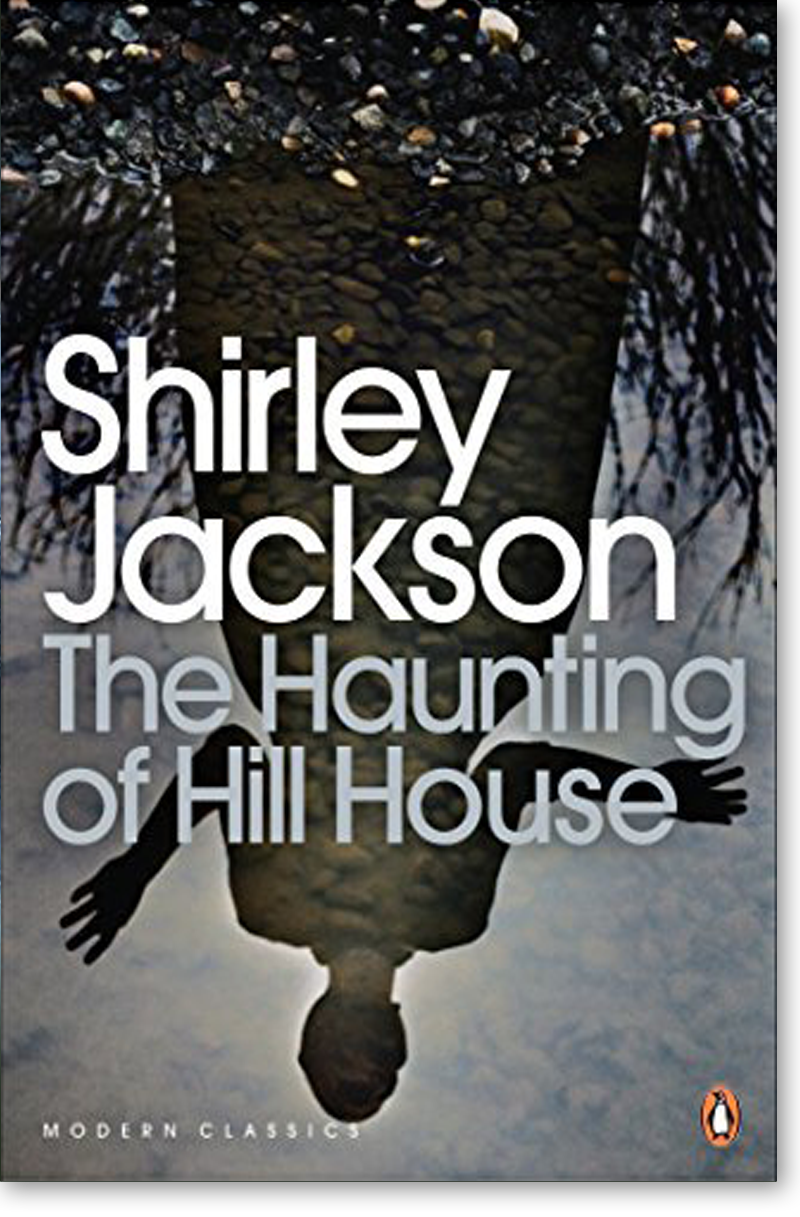 I can see why The Haunting of Hill House by Shirley Jackson has stayed popular for so long. It is not the kind of horror novel that throws constant scares at the reader, and that might disappoint someone expecting a fast, dramatic ghost story. Instead, it is quieter and more psychological, which took me a little while to get used to. Once I adjusted to the slower pace, though, I started to appreciate what the book was doing. It creates a strange, uneasy feeling rather than relying on obvious frightening moments, and that makes it feel different from a lot of haunted-house stories.
One of the strongest parts of the novel is the atmosphere. Hill House feels unpleasant almost immediately, even before anything especially terrifying happens. The way the house is described makes it seem as if something is slightly wrong with it, even if the reader cannot always explain exactly what that is. I liked that the scary feeling builds slowly instead of being forced. There is a constant sense that the characters are being watched or influenced, and that tension gives the story a lot of its power.
The story mainly follows Eleanor, who is probably the character who stood out to me the most. She is lonely, unsure of herself, and clearly looking for a place where she can finally feel important. Because of that, her connection to Hill House feels personal rather than random. I did not always find her easy to understand, but I thought that made her more realistic in some ways. Her thoughts can be repetitive at times, but they also show how badly she wants a different life. That makes the haunting feel like it is happening both in the house and inside her own mind.
I also thought the other characters added something to the story, even if they are not all developed equally. Theodora brings a sharper, more playful energy, while Dr. Montague gives the events a more serious and investigative side. Luke is not as memorable as Eleanor or Theodora, but he still helps create the strange group dynamic in the house. Their conversations can feel unusual, and sometimes they do not sound exactly like people would speak in real life, but that oddness actually fits the mood of the book. Everyone seems a little off-balance, which makes the house feel even more unsettling.
The book is definitely slow in places, and I would not say every part held my attention equally. There were moments when I wanted a little more action or clearer answers about what was really happening. However, I think the slower pace is also part of the point. The horror comes from uncertainty, from not knowing whether the danger is supernatural, psychological, or both. That can be frustrating, but it also gives the novel something to think about after finishing it. It does not wrap everything up neatly, and while that may not work for every reader, it does make the story linger.
What I appreciated most is that The Haunting of Hill House feels more interested in fear as a feeling than fear as a series of events. It is about loneliness, imagination, and the way a place can affect people differently. The writing has a calm but eerie quality, and some of the descriptions are simple while still being effective. I would not call it a perfect book, and I can understand why someone might find it too quiet or strange, but I thought its style was memorable. It is the kind of novel that works slowly on the reader instead of trying to shock them right away.
Overall, I would say this is a good book, especially for readers who like psychological horror and do not mind a slower story. It may not be the most exciting or straightforward haunted-house novel, but it has a strong mood and a main character who makes the haunting feel personal. I liked it more for its atmosphere and ideas than for its plot, but those parts were strong enough to make the book worth reading. It is not a horror story that scared me in an obvious way, but it did leave me with an uncomfortable feeling, which is probably what it was trying to do.